

EV Charging Stations In Florida Everything You Need To Know
 The electric vehicle revolution is here, and it’s time to get on board. If you live in Florida, you’re probably already aware of the need for EV charging stations across the state – but do you know everything you need to know about them? In this article, we’ll lay out all the details for you so that using an EV charger in Florida can be easy and stress-free. We’ll cover topics like what types of chargers are available in Florida, how much they cost, where to find them, and more. Read on to learn everything you need to know about EV charging stations in Florida!
Overview Of Electric Vehicle Charging Stations
Electric Vehicle (EV) charging stations are becoming increasingly popular as EV drivers look for ways to charge their vehicles. Charging an EV is different than filling up a gasoline or diesel vehicle, and the infrastructure for charging has not kept up with the rise of EVs on the roads. This article will provide an overview of EV charging stations, discuss how they work, and explain why they’re important.
EV chargers come in many shapes and sizes, from Level 1 chargers that plug into standard wall outlets to high-powered DC fast chargers which can quickly recharge electric cars in minutes rather than hours. There are also semi-public charging networks run by companies like Tesla, ChargePoint, and others that allow users to access multiple levels of charging depending on their needs. Ultimately, it’s up to local governments and organizations to ensure there is enough public infrastructure for people who drive EVs. With this understanding in mind, let’s take a closer look at the history of EV charging infrastructure in Florida…
History Of EV Charging Infrastructure In Florida
The history of electric vehicle (EV) charging infrastructure in Florida dates back to 2008, when the first EV charger was installed. Since then, there has been a steady increase in the number of EV chargers across the state. In 2018, Electrify America opened its first fast-charging station in Miami and plans for more expansion have continued since then.
Here is an overview of some key milestones in the development of EV charging infrastructure in Florida:
- 2008 – First EV charger installed
- 2016 – Tesla opens Supercharger network with 10 stations
- 2017 – ChargePoint launches ‘Networked Charging’ program with 200+ locations
- 2018 – Electrify America opens its first fast-charging station in Miami
- 2019 – More than 600 public charging stations available statewide
- 2023 – Florida now has over 7,477 public charging stations.
In addition to these large initiatives, several smaller companies are providing EV charging services as well. These include Blink Network’s Level 2 chargers, Greenlots’ DC Fast Chargers and many other local providers offering their own solutions. The increased availability of EV chargers means that Floridians can now enjoy easier access to electric vehicles and charge up quickly while on the go. This leads us into our next section which will discuss the benefits of having more EV chargers available throughout Florida.
Benefits Of Having More EV Chargers
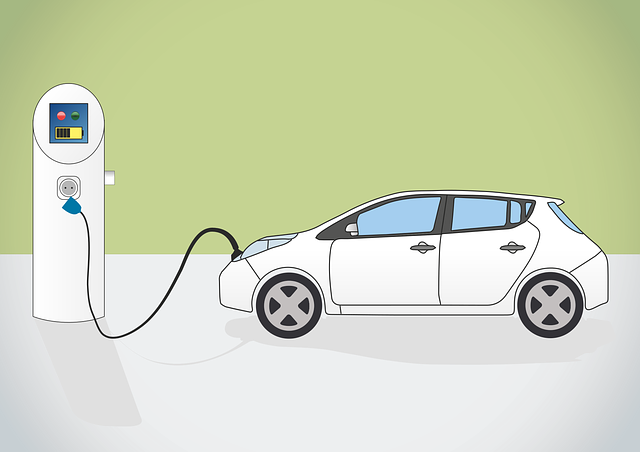
Having more EV chargers across Florida offers countless benefits. Firstly, drivers can get their vehicles charged quickly with the help of DC fast chargers. These chargers are able to deliver more energy than regular ones, meaning they’re capable of charging EVs faster in comparison. Furthermore, having a larger charging network means that drivers won’t have to worry about running out of juice while on longer trips as there will be charging points available along the way.
Next, an increased number of EV chargers also helps reduce emissions and could potentially lead to cleaner air for everyone. This is because electric vehicles don’t produce any toxic fumes or gases when being driven which makes them much better for the environment compared to cars powered by gasoline or diesel engines. Additionally, it might help encourage people who aren’t yet into EVs to start considering them as an option due to their environmentally friendly nature.
Lastly, having more EV chargers may also provide economic advantages such as creating more jobs in the industry since new stations need technicians and engineers to install and maintain them. There’s also potential for businesses to benefit from installing these units at their premises which could then attract customers interested in electric vehicles. With all these advantages combined, it’s no surprise why so many states are actively looking into expanding their networks of EV chargers throughout the country.
The types of electric vehicle chargers available offer different levels of convenience and efficiency depending on what kind you choose.
Types Of Electric Vehicle Chargers Available
The benefits of having more EV chargers are undeniable. Now it’s time to look into the types of electric vehicle chargers available for fueling infrastructure in Florida. Francis Energy is one company that provides a variety of charging solutions, ranging from Level 2 AC and DC fast-charging equipment to Level 3 direct current (DC) ultra-fast charging stations.
Station information can be found on their website or app, which features an interactive map with detailed locations and descriptions of all charger types—including connector types, pricing, availability status and user reviews. Depending on your needs, you may find options like plug-in hybrid vehicles (PHEVs), battery electric vehicles (BEVs) or even hydrogen fuel cell cars (FCEVs). All these options require different connectors and can only be used with certain charging station models.
For most drivers in Florida, Level 2 AC charge points are the best option due to their greater flexibility and lower cost compared to other electric vehicle chargers. Additionally, they can provide up to 25 miles per hour of charge depending on the model, so users don’t have to wait too long before they’re ready to hit the road again. This makes them ideal for everyday use as well as longer trips when multiple stops are needed.
With many different types of electric vehicle chargers available today, finding the right one for your situation has never been easier – especially with companies like Francis Energy providing easy access to station information and helping customers make informed decisions about how they want to power their car.

Impact On The Environment And Climate Change
The installation of electric vehicle (EV) charging stations in Florida has the potential to make a positive impact on both the environment and climate change. It can reduce carbon emissions, reduce air pollution, and create more sustainable energy sources for transportation.
- Carbon Emissions Reduction – Fewer tailpipe emissions from EVs; fewer gasoline-powered cars used for trips due to EV convenience.
- Air Pollution Reduction – Reduced smog, haze, and other pollutants caused by burning fossil fuels.
- Sustainable Energy Sources – Renewable electricity generated from solar or wind power to charge EVs; reliance on natural gas as opposed to gasoline vehicles.
In terms of global warming, studies have shown that replacing just one gallon of gasoline with an equivalent amount of renewable electricity is equal to reducing carbon dioxide emissions by up to 33 pounds. Moreover, transitioning away from traditional combustion engine vehicles towards cleaner electric vehicles could result in significantly lower greenhouse gas levels over time.
These benefits are clear evidence that investing in EV charging infrastructure throughout Florida could be a big step forward towards improving our environmental conditions and mitigating climate change.
Future Outlook For Expanding EV Charging Infrastructure In Florida
The future of electric vehicle (EV) charging infrastructure in Florida looks bright. With the state’s commitment to renewable energy sources and its rapidly increasing number of EV drivers, there is a clear need for more public charging stations. To meet this demand, private companies are developing comprehensive strategies to install new charging stations throughout the state.
To ensure that everyone has access to reliable EV charging services, it is important for local governments and businesses to collaborate on creating equitable solutions. This could include incentives for installing chargers in underserved areas or promoting cost savings through reduced rates at publicly accessible sites. Additionally, investing in digital technologies like mobile apps can help streamline the process of finding available chargers and paying for parking fees with ease.
By leveraging existing resources and enabling innovative partnerships between stakeholders, Florida stands poised to become a leader in sustainable transportation options in the coming years. Transitioning into a low-carbon economy requires making smart investments now that will lead to long-term gains both economically and environmentally—key takeaways for developing an effective EV charging network
Frequently Asked Questions

What Are The Safety Precautions For Using Ev Charging Stations?
When using EV charging stations, safety is paramount. It’s important to take the necessary precautions when connecting a vehicle to an electric charger. Here are three things you should always keep in mind:
1. Always check for any exposed wiring or other safety hazards before plugging into an EV charging station. If something looks off, then it’s better to be safe and not use it until you can confirm its safety with an expert.
2. Use only high-quality cables that have been tested and approved by qualified professionals if available; never try to substitute poor quality DIY materials yourself or use outdated equipment on your own accord as this could cause serious damage down the line.
3. Be aware of your surroundings while using an EV charging station, watch out for pedestrians and other vehicles in the area so that everyone remains safe at all times during the process.

How Long Does It Take To Charge An Electric Vehicle?
Charging an electric vehicle (EV) is a crucial part of owning and operating one. Many EV owners want to know how long it takes to charge their car, as well as what they should do during that time. So, just how long does it take to charge an electric vehicle?
- Fast charging can fill up your battery within 30 minutes.
- Level 2 home-chargers will typically add about 25 miles of range per hour.
- Public charging stations may have different speeds depending on the model.
- Some EVs with larger batteries could take several hours for a full recharge.
In summary, knowing how long it takes to charge an electric vehicle is essential for any EV owner who wants maximum convenience and reliability from their car. Depending on your particular needs, understanding the nuances between various types of chargers available and taking advantage of advanced features can help make sure you get back on the road safely and efficiently every time!

Is There A Fee To Use EV Charging Stations?
Are there fees associated with using EV charging stations in Florida? This is an important question to ask before traveling around the state, especially if you rely on electric vehicle (EV) transportation. It’s also helpful to understand how these fees are structured and what kind of access they provide. In this article, we’ll explore all aspects of EV charging station fees in Florida so you can make an informed decision about your travels.
It’s always wise to research ahead of time which EV charging stations will best suit your needs and budget – as well as any potential restrictions related to usage fees or memberships. Luckily most providers list pricing details on their websites or mobile apps so you can easily compare options before deciding where to stop off along your journey. Plus, many offer discounted rates when signing up online versus paying at the charger itself – giving travelers another layer of convenience when planning their routes through Florida.
Are EV Charging Stations Available In All Parts Of Florida?
Are EV charging stations available in all parts of Florida? This question is an important one for electric vehicle owners and those looking to purchase an EV. There are numerous benefits associated with EVs, from reducing emissions to saving money on fuel costs. However, a key factor that can influence the success of owning an EV is access to charging infrastructure. If there aren’t enough charging stations located conveniently throughout the state, it could make investing in an EV less attractive.
Overall, it looks like Floridians will be able to find plenty of places where they can charge their EVs no matter which part of the state they live in. With more investments being made into this sector each year, we should continue to see improvements in both coverage and convenience when it comes to accessing these facilities. Ultimately, having easy access to charging infrastructure makes ownership of electric vehicles much more viable option than ever before.
Conclusion
The use of Electric Vehicle (EV) charging stations in Florida is becoming increasingly popular, and there are certain safety precautions that should be taken before using them. It’s important to understand how long it takes to charge an electric vehicle and whether or not there is a fee associated with the station. Overall, knowing about these details can help anyone feel more comfortable when it comes time to charging their vehicle at an EV charging station. There are many benefits to owning an electric car, but it’s essential to know the specifics of any location before plugging in your car. With a little bit of research and preparation, I’m sure you’ll have no problem finding the right EV charging station for your needs!
0 comment(s) so far on EV Charging Stations In Florida Everything You Need To Know